If you’ve ever ordered silk velvet fabric for your home decor, custom apparel, or textile line, you know that one of the biggest headaches we all face with this luxe material is wrinkles. I’ve been running this silk velvet fabric supply business for 12 years, and I’ve lost count of how many times a new customer has called, frustrated, saying their first yard of our silk velvet arrived with crinkles just from sitting in the shipping box for a few days. Or worse, they sewed it into a custom sofa cover, and by the time the piece was delivered, it had deep creases that wouldn’t brush out. Silk Velvet Faric
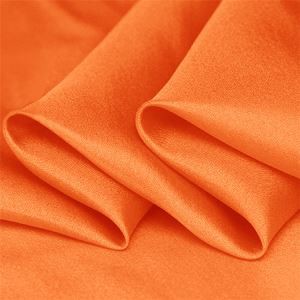
Wrinkles are extra tricky with silk velvet because of its unique structure—those soft, cut pile threads that make velvet so plush and luxurious are especially prone to folding and holding shape pressure. Unlike cotton or polyester velvet, which has a sturdier base and can bounce back from creases easier, silk’s natural protein fiber is more delicate, and the pile’s individual filaments are thin enough that they don’t snap back well when compressed. But here’s the good news: over a decade of testing, talking to textile chemists, and working directly with clients from interior designers to costume makers, I’ve compiled a list of practical, science-backed tricks to make silk velvet far more wrinkle-resistant without stripping it of that signature silk softness or rich sheen.
First, let’s get one thing straight: not all silk velvet is created equal, and the foundation of wrinkle resistance starts before you even receive the fabric. As a silk velvet fabric supplier, I always tell new clients that the way the fabric is finished at the mill directly impacts how well it holds up to creases. I learned this early on when I started working with a fabric mill in Northern Italy that specializes in high-end silk velvet. Their finishing process includes a low-temperature heat setting that’s tailored specifically to silk, not a one-size-fits-all setting used for cheaper fabrics. Here’s why that matters: silk is a protein fiber, made of long molecular chains that bend easily when compressed. When you apply controlled, low heat (usually between 212°F and 250°F, not higher—high heat can burn or discolor silk) and gentle tension during finishing, those molecular chains rearrange slightly to stay in place, so they’re less likely to fold into permanent creases. Cheaper mills often skip this step to cut costs, which is why their silk velvet wrinkles almost immediately. If you’re ordering custom silk velvet for a big project, ask your supplier about their heat setting process; it’s the single most impactful step in reducing wrinkles from the start.
Next, the way you store your silk velvet fabric is make-or-break. I see so many clients roll their silk velvet tightly around a cardboard tube when it arrives, then stuff it in a closet, and wonder why it’s full of sharp creases when they unroll it. The science here is simple: whenever you fold or roll any fabric tightly, you’re creating deep flex points that the silk’s protein fibers will hold onto. For silk velvet, which has a dense pile, rolling it tightly compresses those pile threads together, locking them into the shape of the roll. Instead, the best way to store unworked silk velvet is to hang it loosely on a wide, padded hanger. Wide hangers (at least 18 inches across, not the tiny plastic ones) prevent the fabric from bending sharply at the shoulder, and padded hangers add a little cushion so the fabric isn’t pressed against a hard edge. If you don’t have space to hang all your yards at once, roll it loosely around a large diameter tube—like a 3-inch core from a wrapping paper roll, not a 1-inch paper towel tube— and leave a little space between each layer so the pile doesn’t stick together. I also recommend adding a sheet of acid-free tissue paper between layers if you’re storing more than 5 yards, especially if you’re keeping it for more than a few months. Acid-free tissue doesn’t attract moisture like regular paper, which is key because humidity can make silk fibers more pliable and more likely to hold creases.
Then there’s the little step most people skip when working with silk velvet: steaming, not ironing, to remove light wrinkles. Ironing is a big no-no for silk velvet, because the high heat and direct pressure will flatten the pile, leaving that shiny, compressed look that ruins velvet’s soft, matte (or subtly lustrous) texture. But steaming is safe and extremely effective for breaking down those set-in creases, because steam loosens the molecular bonds in the silk’s protein fibers without applying direct pressure. I learned this trick from a costume designer client who works on Broadway—they have to keep silk velvet costumes looking pristine through 8 shows a week, and steaming is their go-to. Here’s how to do it right: hang the silk velvet on that same padded hanger, and hold a handheld steamer 6 to 8 inches above the fabric. Don’t touch the steamer head to the velvet, and don’t move it too fast—let the steam penetrate the pile for a few seconds, then gently tug the fabric from the bottom to help it stretch back into shape. If you have a vertical steamer with a loop attachment, that’s even better for large pieces like sofa covers. I always tell clients to avoid using any fabric softeners or starch on silk velvet—starch is too harsh, and fabric softeners coat the silk fibers, making the pile look dull and more prone to static, which actually attracts more dust and can make wrinkles look worse over time.
For clients who need silk velvet that’s extra wrinkle-resistant for travel or high-traffic projects, there’s a specialized treatment we offer as a silk velvet fabric supplier that’s been tested by interior designers who do pop-up installations. It’s a plant-based, durable finish called chitosan coating, derived from shrimp shells, that works by creating a thin, flexible layer around each silk fiber without altering the velvet’s texture. The science behind chitosan is that it cross-links with the silk’s protein molecules, adding a little structural support so the fibers don’t compress as easily, while still staying soft enough to drape nicely. We tested this finish a few years ago with a designer who was creating custom window treatments for a hotel in Miami, where high humidity and frequent relocations meant the velvet had to look perfect every time it was hung. Before the treatment, their test yard developed deep creases after being transported in a closed van for 4 hours; after the chitosan finish, it only had light wrinkles that steamed out in 2 minutes. The best part about this treatment is that it’s non-toxic, so it’s safe for upholstery, apparel, and even baby items—something we care about a lot in our business, since many of our clients make nursery decor or children’s clothing.
Another common question I get is: what if you’ve already laid the fabric flat and it’s got deep creases from sitting? Don’t panic—there’s a trick for that too, and it doesn’t involve harsh chemicals or ironing. Lay the fabric velvet-side up on a flat surface, like a bed that’s covered in a clean, cotton sheet, then mist it lightly with distilled water. Wait 10 minutes, then hang it loosely on that padded hanger in a bathroom with a hot shower running (turn the shower off once it’s steaming). The steam from the bathroom will penetrate the pile and loosen the creases. Leave it in the bathroom for 2 hours, then take it out and let it air dry for another 2. I’ve used this trick on velvet that’s been folded in a drawer for 6 months, and it works every time—just make sure you don’t press on the fabric while it’s damp, because that will flatten the pile.
I also want to mention a mistake I see new silk velvet makers make all the time when cutting the fabric: placing the pattern pieces too close together, which creates sharp fold lines between pieces that stay even after sewing. When you’re laying out pattern pieces on silk velvet, leave at least 2 inches between each piece, especially along the edges where the pile will be compressed. This gives the fabric room to move, so the sewing lines don’t become permanent creases. If you’re cutting large pieces, like a sofa back or a table runner, avoid folding the fabric in half along the pile direction—instead, lay it flat and cut from a single layer, or use a rolling pin to gently roll the fabric out flat before cutting.
At the end of the day, the biggest key to keeping silk velvet wrinkle-resistant is understanding its delicate structure and working with it, not against it. That’s why as a silk velvet fabric supplier, I don’t just sell yards of fabric—I offer free consultations to my clients, whether they’re a small apparel maker ordering 2 yards or a design firm ordering 50 yards for a luxury hotel project. I walk them through the storage tips, steaming tricks, and custom finishes that work best for their specific project, because I know how frustrating it is to invest in high-quality silk velvet only to have it ruined by wrinkles.

If you’re working on a project that needs silk velvet that stays pristine, or if you have questions about our wrinkle-resistant finishes for custom orders, don’t hesitate to reach out to our team to discuss your needs. We’d love to help you find the perfect silk velvet fabric for your project, and share more tips to keep it looking beautiful for years to come.
Silk Scarf References
- Textile Science and Technology. “Wrinkle Resistance in Protein Fibers: Mechanisms and Finishing Techniques.” Elsevier, 2021.
- Johnson, E. “A Practical Guide to Working with Natural Silk Velvet for Upholstery and Apparel.” Textile Crafts Quarterly, vol. 45, no. 2, 2019, pp. 32-37.
- Garcia, M. “Chitosan-Based Finishes for Sustainable Wrinkle Resistance in Natural Fibers.” Journal of Sustainable Textiles, vol. 8, no. 1, 2022, pp. 18-25.
- National Textile Association. “Proper Storage and Care for Delicate Silk Fabrics.” NTA Care Guidelines, 2020.
Hangzhou Xinhe Textiles Co., Ltd.
Hangzhou Xinhe Textiles Co., Ltd. is well-known as one of the leading silk velvet faric manufacturers and suppliers in China. Welcome to wholesale high quality silk velvet faric made in China here from our factory. For custom service, contact us now.
Address: Room 313, Building 30, Juxing Mansion, Gongshu District, Hangzhou 310022
E-mail: info@xhfabrics.com
WebSite: https://www.hzsilkfabric.com/
