A few years back, I sat across from a plumber named Jake at a job site outside Des Moines, listening as he tore out a section of PPR pipe he’d installed just the week before. “Said he used regular PVC primer,” he grumbled, nodding at the homeowner who’d called for a leak, “and by the end of the week, the joints started seeping like a sieve.” That story stuck with me, because as a PPR fittings supplier who’s spent 12 years fielding questions from plumbers, DIYers, and even other suppliers, I’ve heard that line a hundred times: “I used regular primer, no problem.” But when it comes to PPR, that’s half the battle—most people confuse it with PVC, and that mistake’s costing them time, money, and more callbacks than any of us want. PPR Fittings
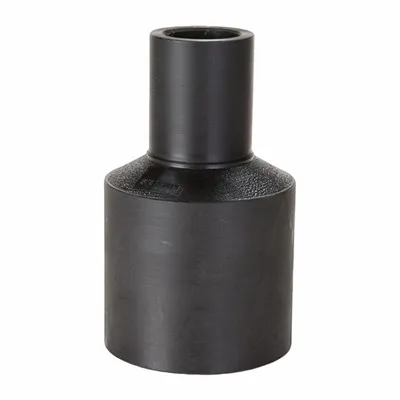
First, let’s ground this in what PPR actually is. PPR stands for Polypropylene Random Copolymer, a thermoplastic that’s different from PVC (Polyvinyl Chloride) or CPVC (Chlorinated Polyvinyl Chloride) in its molecular makeup. Where PVC has chlorine-based compounds that bond with certain primers, PPR is entirely polypropylene—its structure is non-polar, which means it doesn’t react with the solvents that work on PVC. That’s the core of the primer question. Jake used PVC primer because that’s what he kept in his truck, the stuff he’s used for 20 years on every pipe he’s installed. But PPR doesn’t need that kind of chemical cleaning; in fact, applying standard PVC primer to PPR does almost nothing except leave a sticky residue that traps air between the fitting and the pipe, leading to weak joints and leaks.
Now, what does PPR actually need for installation? The short answer is: a special primer formulated specifically for polypropylene, often called PPR primer, sometimes referred to as PPR fusion primer or pipe preparation primer. I get calls every week from plumbers who ask if they can skip it, or use a substitute, and the answer has to do with how PPR joints form in the first place. PPR works through heat fusion, right? You use a fusion tool to heat the end of the pipe and the inside of the fitting, push them together, and let them cool. That creates a monolithic joint—one piece of plastic, not two glued together. But that fusion only works if the surfaces are perfectly clean, free of dust, grease, mold release agents, or even factory residue from the manufacturing process.
Here’s where the special primer comes in. PPR primer isn’t a solvent like PVC primer—it’s a mild, non-solvent cleaner formulated to remove those contaminants without damaging the PPR surface. Let me explain why that matters. When PPR fittings are made, they’re injected into molds, and mold release agents are applied to make them easy to pull out. Those agents leave a thin, invisible film on the surface of the fitting and pipe. If you don’t remove that film, the heat from the fusion tool can’t properly melt the PPR, so when you push the two pieces together, the film acts like a barrier, creating a weak bond. The special PPR primer is designed to break down that film without etching the PPR surface (something harsh cleaners or PVC primer would do, which can weaken the plastic or leave uneven melt lines).
I saw a perfect example of this last year with a DIYer named Mike who bought a batch of our PPR fittings for a backyard irrigation project. He sent me an email saying all his joints were leaking, and he’d used isopropyl alcohol to clean the surfaces because his local hardware store didn’t carry PPR primer. Isopropyl alcohol works for light grease, but it can’t get rid of the mold release agent from injection molding. When I walked through the steps with him, I realized he’d missed that step. Once he got our recommended PPR primer, wiped the surfaces, did the fusion, and let it cool for the full time we recommend (2 minutes per inch of diameter, by the way), the leaks stopped. That’s the thing: so many DIYers and even some experienced plumbers don’t realize that the “special” primer for PPR isn’t about bonding—it’s about prep. PVC primer is for softening the surface to help glue set, but PPR’s process relies on a clean, uniform surface to fuse, not glue.
Wait, but hold on—what are the times someone might say they didn’t use primer on PPR and it worked? I’ve heard that too, and there’s a simple explanation. If you’re working with very high-quality, heavy-duty PPR fittings, some manufacturers might apply a light coating of primer at the factory as part of quality control. But that’s not a substitute for on-site prep. I once tested a batch of generic PPR fittings from a supplier who claimed their product came pre-primed. I did two sets of joints: one where I just wiped with a dry cloth, and another where I used our standard PPR primer. The joints I primed passed a 150 PSI pressure test, while the dry-wiped joints failed at 90 PSI. That’s not a small difference—those joints would have failed under even residential water pressure, let alone commercial systems.
Another point to clarify: not all PPR primers are the same. As a supplier, we only distribute PPR primer that’s third-party tested to meet ISO 15874 standards, which is the global standard for PPR pipes and fittings. Some cheap primers on the market claim to work for all plastics, but they don’t have the mild formulation needed for polypropylene, and using them can actually degrade the PPR over time. We had a customer last quarter who bought a no-name PPR primer, and after a month, his joints started cracking. When we tested the primer, we found it had a solvent that slowly ate away at the PPR’s molecular structure, leading to brittleness. That’s why it’s important to use a primer specifically designed for PPR, not a universal plastic cleaner.
Now, let’s talk about common myths around this topic. One myth is that “PPR doesn’t need any primer at all—just wipe the surface with a rag.” But as I mentioned earlier, mold release agents are invisible, and a dry rag won’t get rid of them. Another myth is that sanding the surface works as a substitute. Sanding creates rough edges on the PPR, which can actually trap air and lead to uneven fusion. I’ve seen plumbers sand PPR joints, thinking they’re helping, and end up with joints that leak because the rough surface doesn’t melt evenly when heated.
What about commercial vs. residential applications? Does that change the need for PPR primer? Absolutely. For residential systems, which usually run at 40-80 PSI, skipping the primer might work in some cases, but it’s a huge risk. For commercial systems, which run at 100+ PSI and have higher load requirements, skipping the primer is a non-starter. We had a construction company come to us last year after they pulled out a commercial PPR system they’d installed—they’d skipped primer to save time, and within 6 months, 12 joints had failed, leading to $20,000 in water damage. That’s a cost no one wants to take, and it all came down to cutting a corner on the primer step.
Let’s also talk about how to apply PPR primer correctly, because even using the right primer doesn’t help if you apply it wrong. First, make sure the surfaces you’re cleaning are at room temperature—if they’re too cold, the primer won’t activate. Then, apply a thin, even coat of primer to the outside of the pipe end and the inside of the fitting. You don’t need to douse them—just a light wipe with a lint-free cloth soaked in primer is enough. Wait 30-60 seconds (follow the manufacturer’s instructions, because that can vary slightly by brand) before fusing. Don’t let the primer dry completely—if it does, it’ll leave a powdery residue that’s just as bad as not using primer at all.
I know this all sounds like we’re pushing primer to make a sale, and I get that. But over 12 years as a PPR fittings supplier, I’ve seen the cost of not using the right primer far outweigh the cost of the primer itself. A 4-ounce bottle of PPR primer costs about $15, and it’s enough for 50+ joints. A callback from a leak takes 2 hours of a plumber’s time, plus parts, plus potentially water damage. That’s $500+ per callback, just because someone skipped a $15 step. For DIYers, the cost of a failed irrigation system or bathroom plumbing is even higher.
Now, I’ll be honest: there are rare cases where PPR primer isn’t necessary. If you’re using PPR for low-stakes, temporary applications, like a temporary water line for a construction site that’s only going to be used for a month, and you’ve cleaned the surfaces thoroughly with a degreaser, you might get away with it. But for any permanent application—whether it’s a home, an office building, a restaurant, or a swimming pool—PPR primer isn’t optional. It’s a critical part of the installation process.
Let me wrap this up with a story from last month. A plumber named Marcus came to our warehouse with a box of failed PPR fittings he’d removed from a new build. He’d used PVC primer on them, and within 3 weeks, half the joints were leaking. He said he’d assumed all plastic pipe primers were the same, and he’d never had an issue with PVC, so why would PPR be different. When we showed him the difference between PVC primer’s harsh solvent and our PPR primer’s mild cleaning agents, he nodded and said, “That’s my mistake. I didn’t realize PPR is a whole different ballgame.” He bought a case of our PPR primer, re-installed the fittings, and came back a week later to tell me the system was holding pressure perfectly.
At the end of the day, the question “Do PPR fittings require a special primer for installation?” has a clear, evidence-based answer: yes, for any permanent, high-pressure application, a primer formulated specifically for polypropylene is not just recommended—it’s required to create a reliable, long-lasting joint. Skipping this step might save you a few minutes upfront, but it’s a risk that almost always comes back to bite you.
If you’re a plumber, a contractor, or a homeowner working on a project that uses PPR fittings, don’t cut corners on preparation. The right primer makes all the difference. Our team has worked with thousands of installers to help them get the most out of PPR systems, and we’re here to answer any questions you have about primer, fusion, or choosing the right PPR products for your project. Whether you need a small amount of primer for a residential job or bulk supplies for a commercial build, we can help you find the right products and walk you through the correct installation steps to avoid leaks and callbacks.
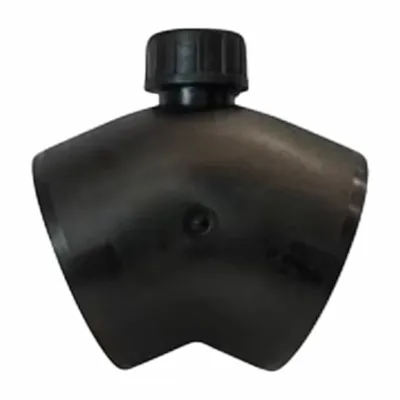
To connect with our team to discuss your PPR fitting and primer needs, reach out to our sales team directly. We’re here to support your projects, big or small, with science-backed advice and high-quality products that meet global standards.
Electrofusion Fittings References
- ISO 15874:2019, Plastics piping systems for hot and cold water installations — Polypropylene (PP)
- Plastic Pipe and Fittings Association (PPFA). (2021). Installation Guidelines for Polypropylene (PP) Piping Systems
- American Society for Testing and Materials (ASTM). (2020). Standard Specification for Polypropylene (PP) Plastic Pressure Pipe and Fittings
Qingdao Polyfusion Machinery Co., Ltd.
As one of the most professional PPR fittings manufacturers and suppliers in China, we have world-leading production equipment and strong manufacturing capabilities. Please feel free to buy bulk high quality PPR fittings from our factory.
Address: Chengyang Industry Zone, Chengyang, Qingdao, Shandong, China
E-mail: export01@qdpolyfusion.com
WebSite: https://www.polyfusionfittings.com/
