Hey everyone, if you’ve ever worked in industries like food processing, manufacturing, or even commercial cleaning, you’ve probably seen a steam hose get put through the wringer. It’s easy to just grab the next one off the rack when yours starts leaking or feeling beat up—no one has time to wait for replacements, right? But here’s the thing: how long a steam hose actually lasts isn’t just a random guess. As a steam hose supplier, I’ve seen way too many folks waste money on hoses that die way too soon, or shell out for premium ones that outlive their needs. Let’s break this down like we talk about it around our warehouse—no stuffy jargon, just real answers. Steam Hose

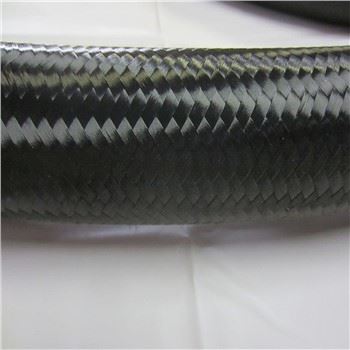
First off, let’s get one thing straight: there’s no one-size-fits-all answer to “how long does a steam hose last.” A lot of people ask me, “My last hose only made it 6 months—why’s yours different?” The answer boils down to three big factors: what you’re putting through it (the steam specs), how you’re using it, and how you’re taking care of it. Let’s start with the core stuff: the hose’s own design. Not all steam hoses are made equal. The good ones (the ones we supply, obviously) are built with layers: usually synthetic rubber for the inner tube, a steel braided reinforcement to handle pressure, and an outer cover that resists heat, abrasion, and oil. Cheaper hoses might cut corners—thin inner tubes that crack fast, no proper reinforcement, or outer covers that melt if you get too close to a hot wall.
Now, the steam itself is a huge part of the equation. Steam isn’t just “hot water vapor”—there’s saturated steam and superheated steam, and they work totally differently. Saturated steam is the most common, it’s basically steam at the boiling point, usually around 100°C (212°F) at atmospheric pressure, but it can be pressurized way higher for industrial use. Most standard steam hoses are rated for saturated steam up to, say, 180°C (356°F) and 150 PSI. If you’re running superheated steam, which is hotter than boiling, often 200°C+ (392°F), you need a hose that’s built for that higher temp. A regular saturated steam hose won’t last a week on superheated—it’ll soften, blister, and leak. I’ve seen customers come in with hoses that looked like they melted because they mismatched their hose to their steam type—total avoidable mistake.
Next, usage. Let’s talk about how you move and store your hose. If you’re dragging it across concrete or metal floors every single shift, that outer cover is going to wear out way faster than if you coil it up neatly on a hose reel. Constant bending too—right angles near connections, twisting the hose every time you attach it—weakens the reinforcement layer over time. I’ve had a customer who used their steam hose to clean heavy machinery and never coiled it properly; their hoses were failing every 2-3 months, just from bending stress. Another customer who stored theirs on a reel, coiled slowly, only had to replace them once a year, same usage just different handling. Also, do you leave your hose connected to the steam line when not in use? If so, that’s a slow killer. Constant pressure on the line even when you’re not running steam can cause small leaks to turn into big ruptures. And don’t forget about environmental factors—if you’re working outside in cold weather, rubber hoses get brittle, way more likely to crack. I’ve seen hoses snap in half in winter just from being stepped on, all because of cold-related wear.
Maintenance is where a lot of people drop the ball. It’s not hard to check your hose every once in a while. What should you look for? First, bulges or blisters—those are signs the reinforcement layer is breaking, and a rupture is coming soon. Cracks in the inner tube or outer cover? Don’t ignore them. Even a tiny crack will get bigger every time you heat and cool the hose (that’s called thermal cycling, by the way—every time you turn steam on and off, the hose expands and contracts a little, which stresses cracks more). Also, check the end fittings. If the clamps are loose or rusted, that can cause leaks that damage the hose ends, leading to premature replacement. We always tell customers to do a quick visual check each shift, and a more thorough inspection once a month. I had a customer who started doing that, and they extended their hose life from 6 months to 10 months just by tightening clamps and catching small cracks early.
Wait, let’s talk about real-world numbers. For most industrial users running saturated steam at standard pressure, with good maintenance and proper handling, a high-quality steam hose should last between 1 to 3 years. That’s the sweet spot I see all the time. But I’ve seen hoses last 5 years or more, too—from a food processing plant that uses it for gentle cleaning, coils it after every use, and never drags it around. On the flip side, I’ve had hoses die in less than 3 months from heavy, constant use with superheated steam, no maintenance, and dragging across rough floors. If you’re running commercial-grade steam cleaners for mobile cleaning jobs, those hoses might be in the 6-12 month range, just because of the constant wear from being transported, coiled and uncoiled multiple times a day. That makes sense, right? Those jobs are way harder on equipment than a stationary setup in a factory.
What about common myths I hear all the time? Like, “If I buy the cheapest hose, I’ll save money.” No way—let’s do the math. A cheap hose that costs $50 dies in 3 months: that’s $200 a year in replacements. A high-quality hose from us costs $150, lasts 18 months: that’s $100 a year. Plus, if a cheap hose ruptures, that can cause downtime, damage to equipment, even safety hazards—way more expensive than the hose itself. Another myth: “More pressure means the hose will wear faster.” Not exactly—if the hose is rated for that pressure, it should be fine. The problem is when people try to use a low-pressure hose for high pressure, which is a disaster. Also, some folks think steam hoses are only for hot water, but no—they’re designed for pressurized steam, which is different. Hot water hoses can’t handle the pressure or the heat of steam, so using the wrong type is a sure way to get a short life.
Safety is another big piece here, and something I don’t want to gloss over. If your steam hose fails, it’s not just an inconvenience—steam can cause severe burns, and a rupturing hose can whip around, causing injury. So even if you’re thinking, “It’s still working, I can push it a little longer,” don’t. We always advise replacing your hose before it reaches the end of its rated life, or if you see any signs of damage. A lot of suppliers will mark their hoses with a recommended service life, and you should follow that, but adjust for your own usage. If you know your job is extra tough, plan to replace a little earlier.
Now, what about when to replace your hose, even if it “should” last longer? Let’s make a checklist I give every customer: 1) Visual damage: bulges, cracks, blisters, cuts deeper than 1/4 inch. 2) Leaks at the connections or along the hose itself, that don’t get better when you tighten clamps. 3) Hardening, softening, or discoloration of the rubber (if it’s turning yellow or brown, that’s a sign of heat degradation). 4) Any history of overpressure exposure (like if your hose was exposed to a pressure higher than its rating, even once—you should replace it, no exceptions). 5) It’s passed its rated service life, even if it looks fine. Rubber degrades over time even if you never use it—sunlight, ozone, just being stored can break it down. So a hose that’s sitting in your warehouse for 5 years without being used might not be safe to put to work. That’s a huge one I see people miss—they buy extra hoses and let them sit, then wonder why they fail right away.
As a supplier, we’re not here to upsell you on the most expensive hose if you don’t need it. We’ll work with you to figure out what’s right for your setup. If you’re a small food processing plant using saturated steam for cleaning tanks, we’ll recommend a mid-grade hose that’s durable but not overkill. If you’re a heavy manufacturing plant running superheated steam for process equipment, we’ll point you to our heavy-duty steel-braided hoses that are built to handle that stress. The key is being honest about your usage, not trying to cut corners on the wrong things.
I get it, no one wants to deal with replacing hoses. It’s a hassle, it takes time away from your job, and no one plans for unexpected downtime. That’s why getting the right hose for your needs, and taking care of it, is the best way to make it last as long as possible. Skipping a few maintenance checks, using the wrong hose for your steam, or dragging it like it’s a garden hose (wait, no—steam hoses aren’t garden hoses) might seem small, but they add up to months or even years of extra hose life (or lack thereof).
If you’re tired of hoses that die too soon, or you’re not sure you’re using the right one for your setup, we’re here to help. We can go over your application, talk through your past issues, and point you to the hose that’ll last for your specific job. No pushy sales talk, just straight answers about what works and what doesn’t.
Now, before I wrap this up, let’s recap the key points so you don’t forget: 1) Average lifespan for a properly used, high-quality steam hose is 1-3 years, adjust for your usage. 2) Mismatching your hose to your steam type (saturated vs superheated) is a top cause of early failure. 3) How you use and store your hose (dragging, poor coiling, leaving pressurized) cuts life in half or more. 4) Regular checks for damage catch issues before they turn into big problems. 5) Cheap hoses almost always cost more in the long run.
Silicone Hose References:
- Occupational Safety and Health Administration (OSHA). "Steam Hose Safety Guidelines." OSHA Technical Manual, 2022.
- American Society of Mechanical Engineers (ASME). "Standard for Steam Hose Assemblies." ASME B107.100, 2021.
- Rubber Manufacturers Association (RMA). "Guidelines for Industrial Hose Durability and Lifespan." RMA Technical Bulletin HB-2, 2020.
- Food and Drug Administration (FDA). "Sanitation Equipment Maintenance for Food Processing Plants." FDA Food Safety Guidelines, 2023.
Hebei Qianli Rubber Products Co., Ltd.
As one of the most professional steam hose manufacturers and suppliers in China, we have world-leading production equipment and strong manufacturing capabilities. Please feel free to buy bulk durable steam hose made in China here from our factory.
Address: West industrial Zone, Jing County, Hengshui City, Hebei Province, China.
E-mail: manager@hebeiqianli.com
WebSite: https://www.qianlirubber.com/
