Hey there! I’m [Your Name], and I’m part of a team that supplies silicone accessories. You know, those cool, flexible, and super useful items that can be found everywhere from kitchens to mobile phones. But here’s the thing: safety is a huge deal when it comes to silicone accessories, and I’m here to break down the safety standards we follow. Silicone Accessories
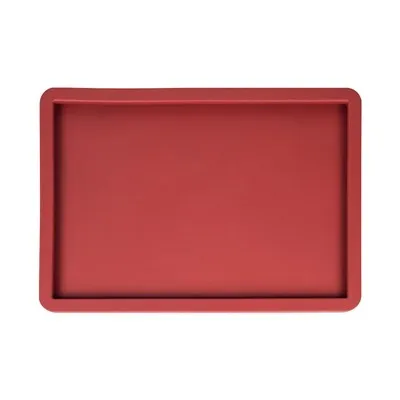
Why Safety Standards Matter
First off, let’s talk about why safety standards are so important. Silicone accessories are used in all sorts of ways. We might use silicone spatulas in our kitchens to cook up a storm, or silicone phone cases to protect our precious gadgets. And if these products aren’t safe, well, that’s a big problem.
For food – grade silicone accessories, like spatulas or baking mats, they come into direct contact with the food we eat. We definitely don’t want any harmful chemicals leaching into our meals. And for non – food items, like phone cases, we still need to make sure they’re not going to release any toxic substances that could harm us or the environment.
Types of Silicone and Their Safety Requirements
There are different types of silicone, and each has its own safety standards.
Food – Grade Silicone
Food – grade silicone is probably the most well – known type when it comes to safety. It has to meet some pretty strict rules.
- Raw Material Purity: The silicone used for food – grade products must be made from high – quality raw materials. It can’t contain any harmful heavy metals like lead, mercury, or cadmium. These metals can be seriously bad for our health if we ingest them, even in small amounts. For example, lead can affect our nervous system, especially in children, and mercury can cause damage to our kidneys and brain.
- FDA Compliance: In the United States, food – grade silicone needs to comply with the regulations set by the Food and Drug Administration (FDA). The FDA has a list of substances that are considered safe for use in food – contact materials. Our silicone has to be in line with these regulations, which means it can’t have any chemicals or additives that the FDA deems harmful. We make sure to source our raw materials from suppliers who can provide documentation showing that their silicone meets these standards.
- Heat Resistance: Food – grade silicone also needs to be able to handle heat. When we’re using a silicone spatula to stir a pot on the stove or a baking mat in the oven, the silicone shouldn’t break down or release any harmful substances. Most food – grade silicone can withstand temperatures from around -40°F to 480°F (-40°C to 250°C), which is more than enough for normal kitchen use.
Medical – Grade Silicone
Medical – grade silicone is used in things like medical devices and implants. It has even stricter safety requirements.
- Biocompatibility: This means that the silicone must be able to interact with the human body without causing any negative reactions. It can’t trigger an immune response or cause inflammation. For example, if a silicone implant is placed in the body, it needs to be well – tolerated by the surrounding tissues.
- Sterility: Medical – grade silicone products must be sterile. They go through a rigorous sterilization process to make sure they’re free of any bacteria, viruses, or other microorganisms. This is crucial to prevent infections when the products are used in a medical setting.
General – Purpose Silicone
General – purpose silicone is used for non – food and non – medical applications, like phone cases or silicone seals. While the requirements aren’t as strict as food – grade or medical – grade silicone, there are still some safety standards.
- Low Toxicity: The silicone should have low toxicity. It shouldn’t release any harmful fumes or chemicals, especially when it’s exposed to normal environmental conditions. For example, a silicone phone case shouldn’t start emitting bad smells or toxic substances over time.
- Flame Resistance: In some cases, general – purpose silicone may need to be flame – resistant, especially if it’s used in products that could be exposed to fire hazards. This helps to prevent the spread of fire and keeps people and property safe.
Our Quality Control Process
As a silicone accessories supplier, we take safety very seriously. Here’s how we make sure our products meet the safety standards.
Raw Material Inspection
When we receive the raw silicone from our suppliers, we conduct a thorough inspection. We check for things like the purity of the material and whether it meets the relevant safety standards. We also ask for certificates of analysis from the suppliers, which show the chemical composition of the silicone.
In – Process Testing
During the manufacturing process, we do regular testing on the silicone products. For example, we might test the heat resistance of food – grade silicone spatulas by subjecting them to high temperatures in a controlled environment. We also check the mechanical properties of the silicone, like its flexibility and durability, to make sure it can withstand normal use.
Final Product Testing
Before the products are shipped out, we do a final round of testing. This includes tests for any potential chemical releases. We use specialized equipment to analyze the products and make sure they don’t contain any harmful substances. We also check the appearance and functionality of the products to make sure they meet our customers’ expectations.
Industry Certifications
To further prove the safety of our silicone accessories, we have several industry certifications. For example, we have the ISO 9001 certification, which shows that our quality management system is in line with international standards. This means that we have a well – defined process for ensuring the quality and safety of our products.
We also have the RoHS (Restriction of Hazardous Substances) certification. This certification restricts the use of certain hazardous substances in electrical and electronic equipment, and many of our silicone accessories fall under this category. It ensures that our products don’t contain substances like lead, mercury, cadmium, hexavalent chromium, polybrominated biphenyls (PBBs), and polybrominated diphenyl ethers (PBDEs).
Customer Safety and Satisfaction
Our goal is not only to meet the safety standards but also to exceed them. We understand that our customers are relying on us to provide safe and high – quality silicone accessories. So we’re always looking for ways to improve our products and our manufacturing processes.
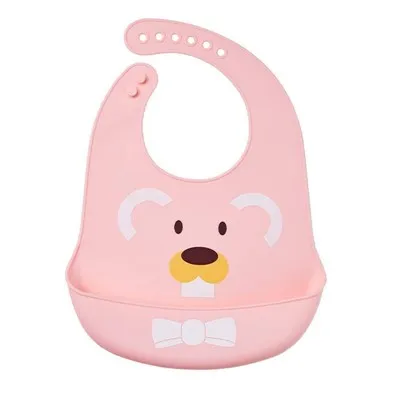
If you have any questions about the safety of our silicone accessories or want to know more about the standards we follow, feel free to reach out. Whether you’re a small business looking to stock up on our products or an individual consumer interested in buying a few items, we’re here to help.
Silicone Household Items Purchasing high – quality and safe silicone accessories is a smart choice. It gives you peace of mind knowing that you’re using products that won’t harm you or your family. If you’re interested in buying our silicone accessories, or if you have any special requirements for custom – made products, don’t hesitate to contact us for a chat about your needs.
References
- U.S. Food and Drug Administration (FDA), "Food Contact Substances: Approved for Use"
- International Organization for Standardization (ISO), "ISO 9001:2015 Quality management systems — Requirements"
- European Union Directive 2011/65/EU on the Restriction of the Use of Certain Hazardous Substances in Electrical and Electronic Equipment (RoHS)
Dongguan Hengyue New Material Technology Co., Ltd.
As one of the most professional silicone accessories manufacturers and suppliers in China, we also support customized service. We warmly welcome you to wholesale bulk cheap silicone accessories from our factory. If you have any enquiry about quotation and free sample, please feel free to email us.
Address: Building 2, No. 3, Yindou Third Road, Qingxi Town, Dongguan City, Guangdong Province
E-mail: dghengyue@126.com
WebSite: https://www.hengyuesilicone.com/
