How does medical device processing ensure the functionality of implantable devices? Medical Device Processing
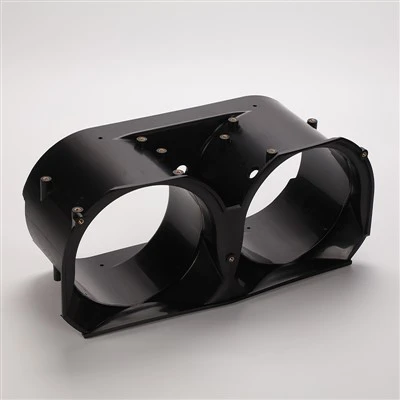
As a supplier in the field of medical device processing, I’ve witnessed firsthand the intricate dance between technology, precision, and safety that goes into ensuring the functionality of implantable devices. These devices, which range from pacemakers and artificial joints to cochlear implants, are designed to be inserted into the human body, where they play crucial roles in restoring or enhancing physiological functions. The stakes are incredibly high, as any malfunction can have severe consequences for the patient’s health and well – being. In this blog, I’ll explore the key steps and processes that we, as a medical device processing supplier, undertake to guarantee the proper functioning of implantable devices.
Material Selection
The foundation of a functional implantable device lies in the careful selection of materials. The materials used must be biocompatible, meaning they do not cause an adverse reaction when in contact with the body’s tissues and fluids. For example, titanium is a popular choice for orthopedic implants due to its excellent strength – to – weight ratio, corrosion resistance, and biocompatibility. It can integrate well with bone tissue, a process known as osseointegration, which is essential for the long – term stability of the implant.
In addition to biocompatibility, the mechanical properties of the materials are also vital. For example, in a cardiac stent, the material needs to be flexible enough to be inserted through the blood vessels and then expand to keep the vessel open. At the same time, it must be strong enough to withstand the mechanical forces within the circulatory system. We work closely with material suppliers to source high – quality materials that meet the specific requirements of each implantable device. Thorough material testing is conducted, including chemical analysis, mechanical property testing, and biocompatibility evaluation, to ensure that only the best materials are used in the manufacturing process.
Precision Manufacturing
Once the appropriate materials are selected, the next step is precision manufacturing. Implantable devices often have extremely tight tolerances, sometimes in the micrometer or even nanometer range. For example, the electrodes in a neural stimulator need to be precisely manufactured to ensure accurate and reliable electrical stimulation of the nerves.
We use advanced manufacturing technologies such as computer – numerical – control (CNC) machining, micro – molding, and 3D printing to achieve the required precision. CNC machining allows us to create complex shapes with high accuracy, while micro – molding is ideal for producing small, intricate parts. 3D printing, on the other hand, offers the advantage of customization, enabling us to create patient – specific implants based on medical imaging data.
During the manufacturing process, strict quality control measures are in place. In – process inspections are carried out at multiple stages to detect any potential defects or deviations from the design specifications. We use non – destructive testing methods such as ultrasonic testing, X – ray inspection, and magnetic particle inspection to check for internal flaws in the devices. These inspections help us ensure that each implantable device meets the highest quality standards before it leaves the manufacturing facility.
Surface Treatment
The surface of an implantable device can have a significant impact on its functionality. Surface treatment is often used to improve the biocompatibility, corrosion resistance, and wear resistance of the device. For example, a hydroxyapatite coating can be applied to a bone implant to promote osseointegration by providing a surface that mimics the natural bone structure.
We offer a variety of surface treatment options, including passivation, anodizing, and coating deposition. Passivation is a chemical process that removes free iron from the surface of stainless – steel implants, enhancing their corrosion resistance. Anodizing is used to create a thick, protective oxide layer on the surface of aluminum implants. Coating deposition techniques such as physical vapor deposition (PVD) and chemical vapor deposition (CVD) can be used to apply thin, hard coatings that improve the wear resistance of the device.
The surface treatment process is carefully controlled to ensure uniformity and consistency across all devices. Post – treatment inspections are conducted to verify the quality and performance of the surface coating. This includes measuring the coating thickness, adhesion strength, and surface roughness to ensure that they meet the design requirements.
Sterilization
Sterilization is a critical step in the manufacturing of implantable devices. Since these devices are inserted into the body, they must be free from all forms of microorganisms to prevent infections. There are several sterilization methods available, including steam sterilization, ethylene oxide (EO) sterilization, and gamma irradiation.
The choice of sterilization method depends on the material and design of the device. For example, steam sterilization is suitable for heat – and moisture – resistant materials, while EO sterilization can be used for devices that are sensitive to heat and moisture. Gamma irradiation is often used for devices made of polymers, as it can penetrate the material and effectively kill bacteria, viruses, and fungi without causing significant damage to the material.
We have strict sterilization protocols in place to ensure the effectiveness of the sterilization process. Validation studies are conducted to determine the appropriate sterilization parameters, such as the sterilization time, temperature, and gas concentration. After sterilization, the devices are tested to confirm that they are sterile. This includes microbiological testing and endotoxin testing to ensure that the devices meet the regulatory requirements for sterility.
Packaging and Storage
Proper packaging and storage are essential to maintain the functionality of implantable devices after they are manufactured and sterilized. The packaging must protect the device from physical damage, moisture, and microorganisms during transportation and storage. It also needs to be easy to open in a clinical setting while maintaining the sterility of the device.
We design and manufacture custom – made packaging solutions for each type of implantable device. The packaging materials are carefully selected based on their barrier properties, strength, and compatibility with the device. For example, blister packs made of medical – grade plastic are commonly used for small implantable devices, as they provide a clear view of the device and can be easily sealed to maintain sterility.
The storage conditions for implantable devices are also carefully controlled. The devices are stored in a clean, dry environment at a controlled temperature and humidity to prevent degradation of the materials and ensure the long – term stability of the device. Periodic inspections of the stored devices are carried out to check for any signs of damage or degradation.
Quality Assurance and Regulatory Compliance
Throughout the entire process of medical device processing, quality assurance and regulatory compliance are of utmost importance. We have a comprehensive quality management system in place that adheres to international standards such as ISO 13485. This system covers all aspects of the manufacturing process, from material procurement and production to packaging and distribution.
We also work closely with regulatory authorities to ensure that our products comply with all relevant regulations. In the United States, this includes obtaining 510(k) clearance or pre – market approval (PMA) from the Food and Drug Administration (FDA). In the European Union, we need to obtain the CE mark, which indicates that the product meets the essential requirements of the EU Medical Device Directive.
Regular audits and inspections are carried out by internal quality control teams and external regulatory bodies to ensure that our manufacturing processes and products meet the required standards. Any non – conformities identified during these audits are promptly addressed to ensure continuous improvement of our quality management system.
Conclusion
Ensuring the functionality of implantable devices is a multi – faceted process that requires a high level of expertise, precision, and attention to detail. From material selection and precision manufacturing to surface treatment, sterilization, packaging, and quality assurance, every step plays a crucial role in determining the success of the device.
As a medical device processing supplier, we are committed to providing our customers with high – quality implantable devices that meet the strictest standards of functionality and safety. Our team of experienced engineers, technicians, and quality control experts work together to ensure that each device is manufactured to perfection.
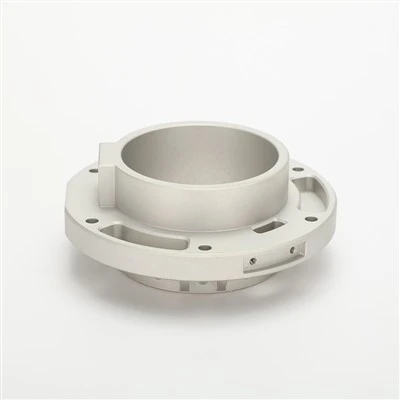
If you are in the market for reliable medical device processing services for implantable devices, we would love to hear from you. Our team of experts is ready to discuss your specific requirements and offer customized solutions to meet your needs. Contact us today to start a conversation about how we can work together to bring your innovative implantable device concepts to life.
CNC Milling References
- ISO 13485:2016 Medical devices – Quality management systems – Requirements for regulatory purposes.
- FDA Guidance Documents on Medical Device Manufacturing and Sterilization.
- European Union Medical Device Directive 2017/745.
Zhejiang Hayi Technology Co., Ltd.
With abundant experience, we are one of the most professional medical device processing manufacturers in China. We warmly welcome you to wholesale bulk medical device processing in stock here and get quotation from our factory. All customized products are with high quality and competitive price.
Address: Room 112, 1st Floor, No. 103, Siwangdai, Pingzhai Village, Renhe Subdistrict, Yuhang District, Hangzhou City, Zhejiang Province
E-mail: 18368133797@163.com
WebSite: https://www.zhejianghayi.com/
