What is the effect of current density on electroplating solution?
As a supplier of electroplating solutions, I’ve witnessed firsthand the critical role that current density plays in electroplating processes. Current density, defined as the amount of electric current flowing per unit area of the electrode surface, is a fundamental parameter that significantly impacts the quality, efficiency, and overall performance of electroplating solutions. In this blog, I’ll delve into the various effects of current density on electroplating solutions, drawing from my experience in the industry and the latest scientific research. Electroplating Solution

1. Deposition Rate
One of the most direct effects of current density on electroplating solutions is its influence on the deposition rate. According to Faraday’s laws of electrolysis, the amount of metal deposited during electroplating is directly proportional to the quantity of electricity passed through the solution. Therefore, increasing the current density generally leads to a higher deposition rate, as more metal ions are reduced at the cathode surface per unit time.
However, this relationship is not linear indefinitely. At very high current densities, the deposition rate may reach a plateau or even decrease. This phenomenon is known as mass – transfer limitation. In electroplating solutions, metal ions need to diffuse from the bulk solution to the cathode surface to be deposited. When the current density is too high, the rate of ion reduction at the cathode exceeds the rate of ion diffusion, leading to a depletion of metal ions near the cathode surface. As a result, the deposition rate cannot increase further and may even decline due to the formation of dendritic or powdery deposits.
For our electroplating solutions, we recommend an optimal current density range based on the specific formulation and the type of metal being deposited. This range ensures a high and stable deposition rate, which is crucial for industrial applications where productivity is a key concern.
2. Coating Thickness and Uniformity
Current density also has a significant impact on the thickness and uniformity of the electroplated coating. As mentioned earlier, higher current densities generally result in a thicker coating, assuming other factors such as plating time and solution composition remain constant. However, achieving uniform coating thickness across the entire workpiece surface can be challenging, especially when dealing with complex – shaped objects.
In regions where the current density is higher, the coating will be thicker, while in areas with lower current density, the coating will be thinner. This non – uniformity can lead to variations in the coating’s performance, such as corrosion resistance and wear resistance. To address this issue, our electroplating solutions are formulated with additives that help to improve the throwing power of the solution. Throwing power refers to the ability of an electroplating solution to deposit a relatively uniform coating on a workpiece with irregular shapes. These additives work by altering the electrochemical behavior at the electrode surface, promoting more even distribution of the current and thus improving coating uniformity.
3. Coating Quality
The quality of the electroplated coating is closely related to the current density. At appropriate current densities, the deposited metal forms a dense, smooth, and adherent coating. However, if the current density is too low, the coating may be porous, rough, or poorly adherent. This is because at low current densities, the metal ions are reduced at a slow rate, allowing impurities and gas bubbles to become trapped in the coating, leading to defects.
On the other hand, excessive current density can also cause problems. High – current – density plating can result in the formation of dendrites, which are needle – like or tree – like metal deposits. Dendrites are weak, brittle, and can easily break off from the coating surface, reducing its overall quality and durability. Additionally, high current densities can cause overheating of the electroplating solution, leading to changes in the solution’s chemical composition and the formation of unwanted by – products.
Our electroplating solutions are designed to work within a specific current density range to ensure the production of high – quality coatings. We conduct extensive research and testing to optimize the solution’s formulation, taking into account the effects of current density on coating quality.
4. Solution Stability
Current density can also affect the stability of the electroplating solution. During electroplating, chemical reactions occur at the electrodes, which can change the composition of the solution over time. High current densities can accelerate these reactions, leading to more rapid depletion of metal ions and additives in the solution. This can result in a decrease in the plating efficiency and a deterioration of the coating quality.
To maintain the stability of our electroplating solutions, we use high – quality raw materials and carefully selected additives. These additives not only improve the performance of the coating but also help to buffer the solution against changes in composition caused by high current densities. Additionally, we provide our customers with guidelines on solution maintenance, including regular analysis and replenishment of the solution components, to ensure long – term stability and consistent plating results.
5. Energy Consumption
From an economic and environmental perspective, current density has a direct impact on energy consumption in electroplating processes. Higher current densities require more electrical energy to drive the electroplating reaction. While increasing the current density can increase the deposition rate, it also increases the energy cost. Therefore, finding the optimal current density is a balance between achieving high productivity and minimizing energy consumption.
Our electroplating solutions are formulated to be energy – efficient. By optimizing the solution’s conductivity and the electrochemical reaction kinetics, we can achieve a relatively high deposition rate at a moderate current density, reducing the overall energy consumption of the electroplating process.
In conclusion, current density is a crucial factor that affects multiple aspects of electroplating solutions, including deposition rate, coating thickness and uniformity, coating quality, solution stability, and energy consumption. As a supplier of electroplating solutions, we understand the importance of these effects and strive to develop solutions that work effectively within a specific current density range. Our products are designed to meet the diverse needs of our customers, from small – scale workshops to large – scale industrial applications.
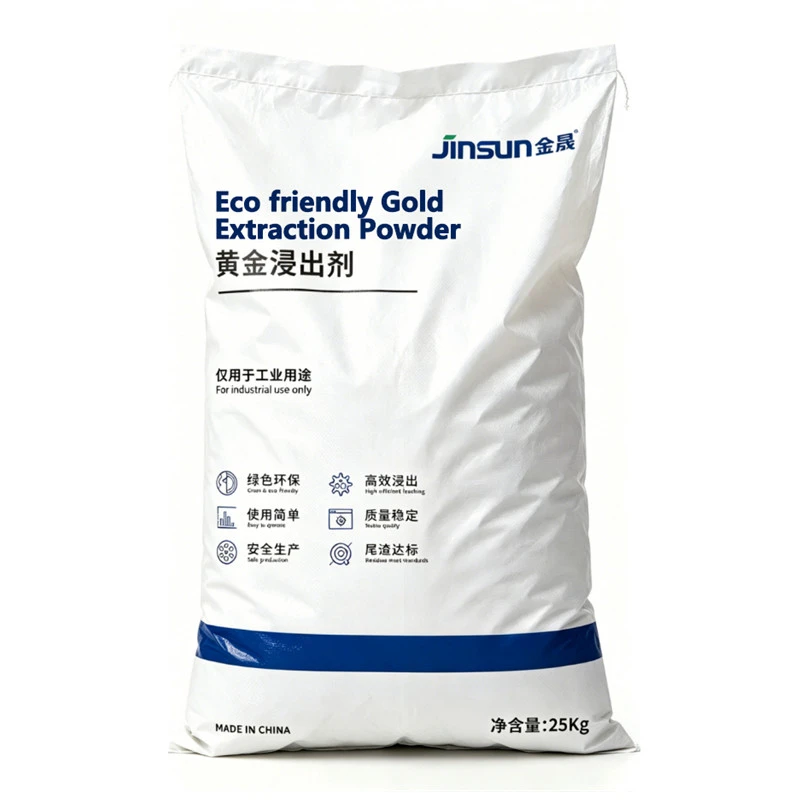
Gold Dressing Agent If you are looking for high – quality electroplating solutions that can perform optimally under different current density conditions, we would love to discuss your requirements. Our team of experts is ready to provide you with professional advice and customized solutions. Contact us to start a conversation about how our electroplating solutions can enhance your electroplating processes.
References
- Schlesinger, M., & Paunovic, M. (2010). Modern Electroplating (5th ed.). Wiley.
- Lowenheim, F. A. (Ed.). (1974). Modern Electroplating. Wiley – Interscience.
- Bard, A. J., & Faulkner, L. R. (2001). Electrochemical Methods: Fundamentals and Applications (2nd ed.). Wiley.
Jinsun Chemical (Guangdong) Co., Ltd.
We are one of the most professional electroplating solution manufacturers and suppliers in China, featured by quality products and good price. Please rest assured to buy customized electroplating solution made in China here from our factory. Also, pricelist is available.
Address: Room 101&102, Building B1, No.136 Kaiyuan Avenue, Huangpu District, Guangzhou City
E-mail: Wangqun@jinsheng-chemical.com
WebSite: https://www.jinsunchem.com/
