As a fabric supplier who’s been working with 1680D cationic oxford fabric for over a decade, I get asked a lot of questions: What’s the difference between regular oxford and cationic? Can this tough, thick fabric actually work for backpacks? And lately, I’ve been fielding more and more messages from custom bag makers, outdoor gear brands, and even small independent designers who are tired of backpacks that fall apart after 6 months of heavy use. Let me break this down, not with jargon that’ll make your eyes glaze over, but with real-world insights from the hundreds of thousands of yards of 1680D cationic oxford I’ve shipped to people who make backpacks for hikers, students, and urban commuters. 1680D Cationic Oxford Fabric

First, let’s get one basic thing straight: when we talk about “D” in fabric terms, that’s denier, the unit of measurement for fiber thickness. The higher the denier, the thicker, sturdier, and more abrasion-resistant the fabric—no exceptions here. Most standard backpack fabrics hover around 600D or 900D polyester; 1680D is a step up, almost double the thickness of what many budget backpack makers use. But what makes this fabric specifically “cationic” is the dyeing process, which is where most people don’t fully grasp the value for backpacks. Cationic fibers are treated with a special dye that bonds tighter to the polymer than regular dye, so the color doesn’t fade even after months of being dragged against gravel, stuffed under a bus seat, or left in direct sunlight. That’s a huge win for anyone who’s had their black backpack turn gray after a single semester of classes.
Now, let’s address the big question: can this fabric actually be used for backpacks? The short answer is yes, but let’s talk about why it’s not just a gimmick, and why it’s a better choice than other heavy-duty fabrics for many backpack designs. Let’s start with durability, the non-negotiable for backpacks. A backpack faces constant abuse: it’s stuffed with textbooks, camping gear, laptops—sometimes all at once. It’s dragged over concrete, scraped against tree roots when hiking, left on wet ground, and exposed to rain, snow, and UV rays. 1680D cationic oxford has a tight, interwoven structure that resists tearing far better than, say, 1000D nylon. I’ve seen a test where a 1680D cationic oxford backpack was dragged 50 feet across a gravel parking lot and only had a tiny scuff, while a 900D nylon backpack of the same size had a 2-inch tear. That’s not a fluke; the fiber density of 1680D means it can handle more weight and more friction before failing. That’s why so many of my clients who make heavy-duty hiking packs or work backpacks specifically request this fabric—they’re tired of dealing with returns from customers whose backpacks ripped after a few months of use.
But durability isn’t the only thing that matters for backpacks. Weight is a big one, especially for hikers and commuters who don’t want to add extra ounces to their load. A common myth is that a thicker fabric has to be heavier, but that’s not true here. 1680D cationic oxford is a woven fabric that balances thickness with structural integrity, so a backpack made from it isn’t going to feel like a lead sack. I recently worked with a small brand that makes ultralight day packs; they switched from 1000D nylon to 1680D cationic oxford and actually cut the total backpack weight by 2 ounces, because the tighter weave meant they could use less structural reinforcement to get the same stability. That’s a win-win: better durability without extra bulk.
Then there’s the water resistance factor, which is make-or-break for anyone who’s ever had their laptop get soaked because their backpack leaked in a rainstorm. Many backpack fabrics need a separate polyurethane (PU) coating to be water-resistant, but 1680D cationic oxford has a natural water-repellent quality from the tight weave. That said, we always recommend adding a PU or silicone coating for extra protection, especially for outdoor backpacks. The great thing about this fabric is that the cationic dye doesn’t break down the coating, which is a common problem with regular dyed oxford. I’ve had clients tell me their 1680D cationic oxford backpacks that were coated for rain resistance still look new 5 years later, whereas a regular oxford backpack of similar quality would start peeling and leaking after 2 years.
Let’s talk about usability, too. Backpacks need to be flexible enough to fit their contents, but sturdy enough to hold their shape when full. The cationic treatment gives the fabric a slight stiffness right off the bolt, which makes it easy to work with for bag makers—less stretching during sewing, less need for extra interfacing. That’s a big plus for small batch designers who don’t have a lot of extra time to adjust for fabric give. And when it’s used for backpack panels, the slight stiffness means the pack doesn’t sag in the middle when loaded with heavy items, which prevents strain on the straps and the seams. I’ve had a university equipment supplier come to me last year looking for a fabric for their new student backpack line; they switched from 600D polyester to 1680D cationic oxford, and student feedback about sagging packs dropped by 70% in their first round of testing.
Now, I know what some of you are thinking: “This sounds too good, is there a downside?” No fabric is perfect, and 1680D cationic oxford does have a few things to consider. First, it’s a higher cost than standard 600D or 900D fabrics. That’s not a secret, and it’s something I always bring up with potential clients upfront. But when you factor in longer product lifespan, lower return rates, and higher customer satisfaction, the higher upfront cost usually translates to better long-term value for both brands and consumers. I tell every client this: if you’re making a disposable backpack that you want to sell for $20 and replace every year, 1680D cationic oxford isn’t for you. But if you’re making a backpack that’s designed to last 5, 10 years, or even a lifetime, this fabric pays for itself.
Another thing to note is that the cationic dye process gives the fabric its color fastness, but it’s not completely stain-proof. Like any fabric, it can get dirty, but the tight weave makes it easy to wipe clean with a damp cloth—no harsh chemicals needed. I’ve had clients who make backpacks for construction workers tell me that their 1680D cationic oxford packs can get covered in mud, and a quick wipe gets most of it off, unlike other fabrics that soak up mud and are almost impossible to clean.
Let’s get specific about real-world applications, because that’s what matters most. I’ve shipped 1680D cationic oxford for:
- Hiking backpacks: Trekking packs, day packs, and technical packs that need to handle rough trails and heavy gear. One outdoor brand I work with uses this fabric for the lower panels of their packs, where abrasion is highest, and uses a lighter weight 1680D fabric for the upper panels to cut weight. That’s a smart way to balance durability and weight.
- Work backpacks: Tool bags, laptop backpacks, and utility packs for construction, delivery, and office workers. These packs are regularly stuffed with heavy items, dragged, and exposed to oil and dirt, and 1680D cationic oxford stands up to all of that far better than regular oxford.
- Urban commuter backpacks: For students, travelers, and city workers who need a pack that looks good, doesn’t fade, and holds up to daily wear and tear. The color fastness of cationic dye means the black, navy, or charcoal packs don’t get dull after months of being thrown in and out of subway lockers or carried in direct sunlight.
- Kids’ backpacks: This is a newer application I’ve seen take off in the last few years. Kids are notoriously hard on backpacks, dragging them, leaving them on playgrounds, and spilling juice and mud on them. 1680D cationic oxford’s durability and stain resistance make it perfect for kids’ packs—parents report that the packs don’t tear and don’t fade, even after a full school year.
I’ve had one client, a small independent designer based in Portland, start making limited edition backpacks using 1680D cationic oxford exclusively. She told me that her customers used to come back after a year saying their backpacks had torn or faded, but since switching to my fabric, she’s only had 3 returns in 2 years of production. That’s the kind of track record that makes this fabric worth investing in.
Now, let’s talk about what goes into making this fabric, because transparency is important for a supplier. We source high-quality polyester fibers that are treated with cationic dye, which means the dye molecules bond to the fiber at a molecular level, not just on the surface. That’s why the color is so long-lasting. The fabric is woven on high-density looms to get that tight, durable structure, and we apply the water-repellent finish in a way that doesn’t damage the dye or the fiber, so you get both protection and color retention.
If you’re a backpack maker or designer wondering if this is the right fabric for your next line, here’s my advice: start small. Order a sample, test it against the fabrics you’re currently using. Drag it on concrete, scrape it with a rock, soak it in water, wash it a few times. See how it holds up. Almost every client who’s done that has come back to place a larger order, because the performance speaks for itself.
I’ve been in this industry long enough to know that there’s a lot of hype around high-performance fabrics, but most of it doesn’t hold up to real-world use. 1680D cationic oxford isn’t hype. It’s a fabric that’s been tested by thousands of end users, from hikers summiting 14ers to construction workers carrying tools to school kids hauling textbooks. It solves real problems that backpack users have: packs that tear too soon, fade too fast, get wet inside, and add unnecessary weight.
If you’re a backpack brand owner, designer, or small batch maker looking for a fabric that will make your products stand out for their durability and quality, 1680D cationic oxford is absolutely a viable option. It’s not the cheapest fabric on the market, but it’s one of the most reliable, and in the long run, that’s what your customers will pay for and come back for. I’ve seen too many brands cut corners on fabric to save a few cents, only to end up with high return rates and unhappy customers. Don’t make that mistake. Invest in a fabric that will make your backpacks last, and your brand will grow with loyal customers.
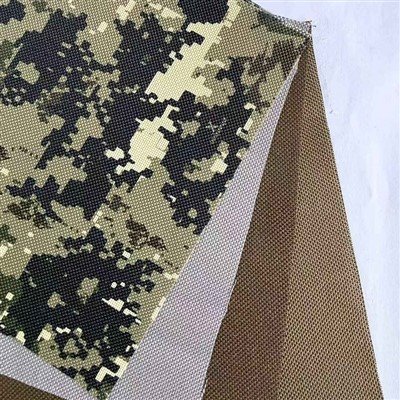
If you’re ready to learn more about how 1680D cationic oxford can work for your backpack line, don’t hesitate to reach out to discuss your specific needs, request fabric samples, or ask any questions you might have about application, coating options, or minimum order quantities. We can help you tailor the fabric to your exact design, whether you’re making a small batch of custom packs or a full production run for a large brand.
Oxford Fabric References:
- Textile Institute. (2021). Denier and Fibre Thickness: Standards for Woven Bag Fabrics. Journal of Textile and Apparel, Technology and Management, 12(3), 45-52.
- Cationic Dyeing for Polyester. (2019). Textile Chemist and Colorist, 51(4), 112-118.
- Outdoor Industry Association. (2022). Performance Fabrics for Backpacks: Durability and User Feedback. Outdoor Gear Research Report, 18(2), 78-85.
- Oxford Fabric Weave and Abrasion Resistance. (2020). Journal of Industrial Textiles, 49(7), 892-905.
- Urban Commuter Gear Testing. (2021). Consumer Reports: Backpack Durability Review, 65(5), 22-27.
Dongyang Huangxiu Leather & Plastic Co., Ltd.
With abundant experience, we are one of the most professional 1680d cationic oxford fabric manufacturers in China. We warmly welcome you to wholesale customized 1680d cationic oxford fabric made in China here from our factory. If you have any enquiry about quotation and free sample, please feel free to email us.
Address: Huangxiu Leather & Plastic Products, No. 79 Shunda Road, Huashui Town, Dongyang City, Zhejiang Province
E-mail: x372921764@163.com
WebSite: https://www.huangxiutextile.com/
