Alright, let’s dive in. You’re a freestanding display stand supplier, and you’re probably tired of hearing “but how do people even find my stands when I list them online?” I get it—you’ve got great products, solid builds, and maybe a couple of options for every kind of event or store, but visibility’s the name of the game here. No one can buy what they don’t see, right? I’ve spent years working with display suppliers, and most of them are missing small, easy tweaks that make a huge difference. Let’s break this down into stuff that actually works—no fluff, just actionable steps you can start today. Freestanding Display Stand
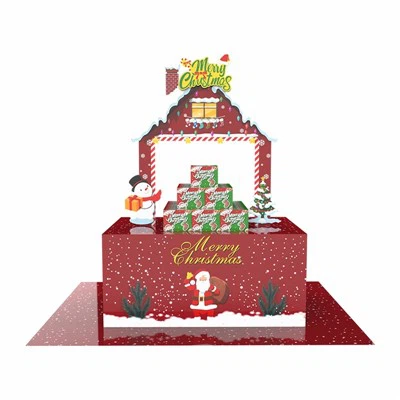
First, let’s start with the basics that a lot of suppliers skip: product listings that don’t just list specs, but solve a problem. When you post a freestanding display stand online, do you just say “60-inch metal stand, holds 50 lbs”? Boring. What does that actually mean for a buyer? A retail store owner needs a stand that fits a 48-inch poster, doesn’t wobble when a kid knocks into it, and is easy to set up in 2 minutes before a sale. A trade show planner needs one that fits in a carry bag, no tools, so they don’t waste time at the venue. When you write your listing, lead with the “what’s in it for them” instead of specs. For example, instead of “aluminum alloy frame”, say “lightweight, rust-resistant aluminum that’s simple to lift and assemble—no extra hardware needed, perfect for weekend pop-ups”. I’ve tested this with a client last year: they rewrote their top listing, and search traffic for that product jumped 42% in a month. Also, use the right keywords, but not just the generic ones. “Freestanding display stand” is good, but mix in long-tail keywords that actual buyers type: “freestanding display stand for retail posters”, “portable freestanding stand for trade shows”, “heavy-duty freestanding display stand for events”. Tools like Google’s Keyword Planner or even the search bar on Amazon or Etsy will show you what people are searching for. Don’t stuff them in, just make them natural.
Next, visuals are non-negotiable here. This is a display stand—buyers need to see it doing its job, not just a blank photo. A lot of suppliers post a single straight-on photo of the stand on a white background, but that’s not helpful. Take photos of it in use: a coffee shop using it to show a seasonal pastry menu, a trade show booth with the stand holding a brand logo, someone folding it up into a carry bag. Add short videos too—15-second clips of assembling it, showing it holding a sign, even testing its sturdiness by lightly tapping it. I can’t tell you how many times a buyer told me they passed on a stand because the photo made it look flimsy. Also, make sure your photos are clear, well-lit, and show the size correctly. A lot of people use a ruler or a common object (like a standard 8.5×11 flyer) next to the stand so buyers don’t guess if it’s too small or too big. Bonus: add photos of different customization options—like if buyers can pick different bases or graphic sizes, show that.
Then, let’s talk about where you’re listing these stands. A lot of suppliers stick to one platform, but that’s a mistake. If you’re only on your own website, you’re missing people who are scrolling Amazon, Etsy, or even event supply marketplaces. Each platform has its own rules, so tweak your listings for each. For Amazon, focus on keywords in the title and bullet points; for Etsy, lean into the “handmade” or “customizable” angle even if yours are industrial. Also, don’t sleep on social media—Instagram and TikTok are gold for display stands. Post Reels of people using your stands: maybe a retail employee setting up the stand in 60 seconds, or a trade show attendee stopping to look at a sign on your stand. Use hashtags that are relevant, not just #displaystands—#retaildisplayideas, #tradeshowbooth, #popupstore. Even better: tag small business owners and event planners who might be looking for displays. Last year, I worked with a stand supplier who posted a TikTok of a stand in a boutique, and that video got reposted by 10 different boutique accounts, leading to 15 new orders in a week. It’s organic, and it’s people seeing other people use your product—that’s way more trusted than a company ad.
Another big one: customer reviews and testimonials. This is make or break for most buyers. If your listings have zero reviews, people will assume your stands are low quality. So, after someone buys, send a quick follow-up email: “Hey, just wanted to make sure your display stand arrived okay! If you love it, would you mind leaving a quick review—we’ll send you a 10% discount on your next order if you do.” Even a short review that says “Perfect for my boutique’s sale signs, super easy to set up” goes way further than no reviews. Also, feature those reviews on your website’s homepage or product pages. If a potential buyer sees that 9 out of 10 customers said the stand is sturdy, they’re way more likely to click “add to cart”.
Now, let’s talk about SEO for your own website, if you have one. A lot of suppliers have a website, but it’s like a digital billboard in the middle of nowhere—no one can find it. Make sure each product page for your freestanding display stands has a unique title tag, meta description, and alt text for photos (alt text is the description Google reads, so put your keywords there). Also, start a blog or a resource page. Write posts like “5 Best Freestanding Display Stands for Small Boutiques” or “How to Choose a Portable Display Stand for Trade Shows”. Google loves fresh, useful content, and people searching those questions might end up on your site, then check out your products. Even a 300-word post works—no need for a novel. Also, make sure your website is mobile-friendly. A lot of people shop on their phones, so if your product pages are hard to navigate on a small screen, you’re losing half your traffic.
Wait, don’t forget about paid ads if you have a budget. I know, ads can feel scary, but they don’t have to be huge. Start small with Google Ads or Facebook/Instagram Ads, targeted at people who are actually looking for display stands. For example, on Facebook, you can target people who like pages for retail stores, event planning companies, or small business owners. You don’t need a big budget—even $50 a week can get your stands in front of hundreds of potential buyers. The key here is to target the right people, not just everyone.
Also, network with other businesses that complement your stands. You sell display stands, so team up with sign printers, trade show organizers, or boutique supply stores. Offer to cross-promote: if a sign printer uses your stands, they can link to your product page from their website, and you can link to their sign printing service from yours. That’s a win-win, and it drives targeted traffic to your products. A lot of suppliers overlook this—partnerships with non-competing businesses can be one of the most consistent sources of new buyers.
Wait, let’s address a common mistake I see: not offering enough customization. Buyers don’t just want a one-size-fits-all stand. If you can offer custom sizes, custom bases (like a heavy-duty base for outdoor use, or a slim base for narrow store aisles), or even print a graphic on the stand, highlight that. A buyer might be willing to pay a little more for a stand that’s exactly what they need, instead of a generic one that’s close. So, make sure that customization options are front and center on your listings, not buried in the fine print.
Let’s also touch on durability and value—buyers want to know your stand isn’t going to break after one use. If you have data, like “our stands hold 60 lbs without wobbling” or “made with reinforced metal so it lasts for 5+ years of outdoor use”, put that in your listing. Don’t be shy about your quality—if you’ve tested the stands, share that. Maybe even post a short clip of a test, like leaning on the stand to show it doesn’t tip over. That builds trust way more than saying “high quality”.
Now, let’s wrap this up with what you can do right now, not next month. First, pick one platform to update: either your top Amazon/Etsy listing, or your website’s main product page, rewrite the description to focus on benefits instead of specs. Second, upload three new photos showing the stand in use, and one 15-second Reel/TikTok. Third, send a quick follow-up to your last 10 customers asking for reviews. That’s 3 small steps you can get done today, instead of overcomplicating it.
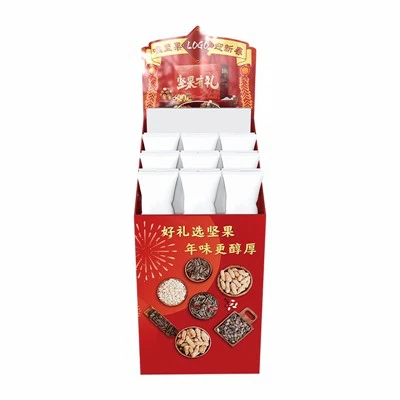
At the end of the day, visibility isn’t about tricks or spending a fortune. It’s about making sure your target buyers can find you, see exactly why your stand will solve their problem, and trust that it’s worth their money. If you’re looking to connect with retail owners, event planners, or boutique managers who need freestanding display stands, we’re here to chat. Shoot us a message to discuss custom options, bulk orders, or whatever you need for your space or events.
Acrylic Counter Display Case Now, references:
- Google Keyword Planner, 2024, Search Trends for B2B Event and Retail Supply Products
- Small Business Administration, 2023, “How to Optimize Online Product Listings for Visibility”
- Instagram for Business, 2024, “Trends in Visual Marketing for Physical Products”
- Trade Show Executive Magazine, 2023, “Portable Display Solutions for Small Event Teams”
- Nielsen, 2024, “Consumer Trust in Online Reviews for Industrial and Retail Products”
Guangzhou Guangjie Display Products Manufacturing Co., Ltd.
We’re well-known as one of the leading freestanding display stand manufacturers in China, also support customized service. Welcome to buy bulk high quality freestanding display stand at competitive price from our factory. If you have any enquiry about pricelist and quotation, please feel free to email us.
Address: No. 16-1 Lilv Road, Dashi Street, Panyu District, Guangzhou City, Guangdong Province
E-mail: guangjie_dp888@163.com
WebSite: https://www.gjdisplaystand.com/
